3d Rendering of Camping: A Versatile Tool for Modern Design
3d Rendering of Camping has become a valuable asset in the world of design, offering a dynamic way to visualize outdoor experiences. Whether you're creating marketing materials or developing digital interfaces, 3d Rendering of Camping provides a realistic and engaging representation that can be adapted for various applications.
Understanding the Power of 3d Rendering of Camping
3d Rendering of Camping allows designers to create detailed and immersive visualizations of camping scenes. This technique involves using specialized software to generate high-quality images that mimic real-world environments. These renderings are not just visually appealing; they also serve as powerful tools for communication and storytelling.
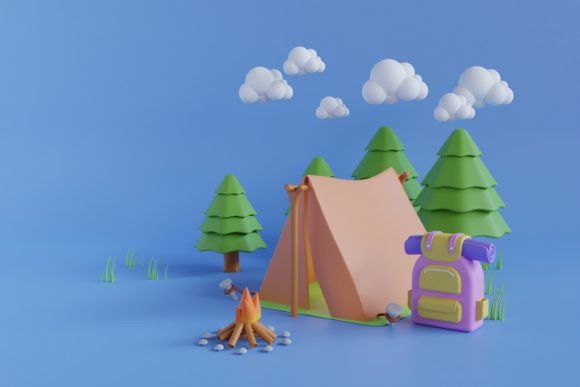
One of the key benefits of 3d Rendering of Camping is its ability to showcase different aspects of an outdoor experience. From the layout of a campsite to the details of a tent or the surrounding landscape, these renderings can highlight features that might be difficult to capture through traditional photography. This makes them ideal for use in promotional materials, where the goal is to attract and engage potential customers.
Applications of 3d Rendering of Camping
The versatility of 3d Rendering of Camping makes it suitable for a wide range of applications. For instance, in the realm of web design, these renderings can be used to create eye-catching banners that draw visitors to a site. They can also enhance user interface (UI) elements, providing a more immersive experience for users navigating through a website or app.
Additionally, 3d Rendering of Camping is useful in the creation of posters and other promotional materials. By incorporating these renderings into designs, marketers can effectively convey the essence of a camping trip, making it easier for audiences to envision themselves in those settings. This can be particularly effective when targeting outdoor enthusiasts or families looking for vacation ideas.
Key Characteristics of Effective 3d Rendering of Camping
To ensure that 3d Rendering of Camping is effective, several characteristics should be considered. First, the quality of the rendering is crucial. High-resolution images with accurate lighting and textures can significantly enhance the visual appeal of the final product. This attention to detail helps create a more authentic experience for viewers.
Another important aspect is the level of customization. Different projects may require varying styles or themes, so the ability to adjust elements such as color schemes, lighting, and composition is essential. This flexibility allows designers to tailor their work to specific needs, whether it's for a corporate campaign or a personal project.
Moreover, the context in which 3d Rendering of Camping is used plays a significant role in its effectiveness. Understanding the target audience and the message being conveyed can help guide the design choices. For example, a rendering intended for a family-friendly camping brand may emphasize warmth and comfort, while one aimed at adventure seekers might focus on ruggedness and exploration.
Integrating 3d Rendering of Camping into Modern Workflows
In today’s fast-paced design environment, integrating 3d Rendering of Camping into workflows can streamline the creative process. Many designers now use software tools that allow for quick iterations and adjustments, making it easier to experiment with different concepts. This agility is especially beneficial when working on time-sensitive projects or when client feedback requires rapid changes.
Collaboration is another area where 3d Rendering of Camping shines. Teams can share renderings easily, allowing for input from various stakeholders. This collaborative approach ensures that the final product aligns with the vision of all involved parties, leading to more cohesive and impactful designs.
Practical Benefits of Using 3d Rendering of Camping
There are numerous practical benefits to using 3d Rendering of Camping in design projects. One of the most significant advantages is the ability to present ideas in a clear and compelling manner. By visualizing a camping scene, designers can communicate complex concepts more effectively, making it easier for clients or audiences to understand the intended message.
Additionally, 3d Rendering of Camping can save time and resources. Instead of relying on physical prototypes or extensive photo shoots, designers can create multiple versions of a scene quickly and efficiently. This not only reduces costs but also allows for greater experimentation and creativity.
Another benefit is the potential for increased engagement. High-quality renderings can capture the imagination of viewers, encouraging them to explore further or take action. Whether it's clicking on a banner, visiting a website, or sharing content on social media, the impact of a well-crafted 3d Rendering of Camping can be substantial.
Considerations When Choosing 3d Rendering of Camping
Before adopting 3d Rendering of Camping, there are several factors to consider. The first is the skill level of the designer. While many software tools are user-friendly, achieving professional results often requires a certain level of expertise. Investing in training or hiring a skilled designer can make a significant difference in the quality of the final output.
Another consideration is the purpose of the project. Different applications may require different levels of detail and realism. For example, a simple banner may not need the same level of intricacy as a detailed poster for a camping event. Understanding the specific requirements of the project will help determine the appropriate approach.
Finally, it's important to consider the file formats and compatibility. 3d Rendering of Camping files may come in various formats, such as JPG or PNG, each with its own advantages and limitations. Ensuring that the chosen format meets the needs of the project is essential for seamless integration into existing workflows.