Fluid Gradient: Modern Design for Every Need
Fluid Gradient is a versatile design concept that blends smooth transitions between colors with dynamic, flowing shapes. It’s often used in digital and print media to create visually engaging backgrounds and compositions. This design style is especially popular for its ability to add depth, movement, and modern flair to any project. Whether you're a designer, developer, or business owner, Fluid Gradient offers a range of benefits that can enhance your work.
What Is Fluid Gradient?
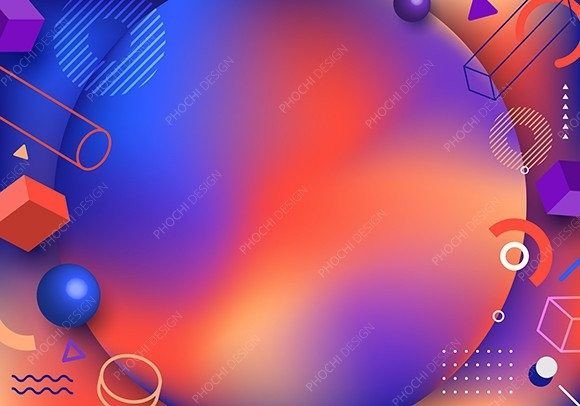
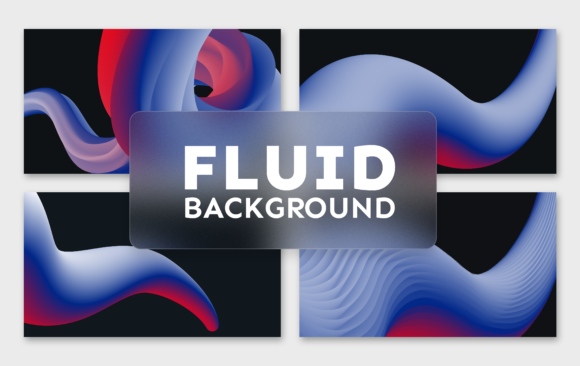
At its core, Fluid Gradient refers to a type of background or graphic element that mimics the look of liquid or flowing motion. Unlike traditional gradients, which are usually static and linear, Fluid Gradient introduces subtle distortions, curves, and color shifts that give the impression of movement. These effects can be created using vector graphics, which allow for high-quality scaling without loss of detail.
One of the key features of Fluid Gradient is its flexibility. It can be used as a standalone background, integrated into logos, or incorporated into web and app interfaces. The design is often paired with simple shapes and limited color palettes to maintain clarity and focus on the main subject.
Why Different Audiences Care About Fluid Gradient
The appeal of Fluid Gradient varies depending on who is using it. For beginners, it offers an accessible way to experiment with modern design trends. For professionals, it provides a tool to elevate their visual output and stand out in competitive markets. Educators might use it to teach students about color theory and digital design, while entrepreneurs could leverage it to create eye-catching branding materials.
Each group may prioritize different aspects of Fluid Gradient. For example, a small business owner might care more about cost and ease of use, while a professional designer might focus on quality and customization options. Understanding these differences helps users choose the right tools and resources for their specific needs.
How Beginners Might Use Fluid Gradient
If you're just starting out in design, Fluid Gradient can be a great way to explore new styles without requiring advanced technical skills. Many templates come with pre-designed elements that you can easily customize. This means you can experiment with different color combinations, shapes, and layouts without needing to create everything from scratch.
Beginners might also appreciate the availability of editable vector files, such as EPS formats, which allow for easy resizing and modification. This makes it simple to adapt designs for different platforms, like social media, websites, or printed materials.
Why Professionals Value Fluid Gradient
For experienced designers, Fluid Gradient is more than just a visual trend—it's a powerful tool for creating unique and impactful visuals. The ability to edit vector files gives professionals full control over every detail, ensuring that their work meets the highest standards of quality and consistency.
Professionals may also appreciate the versatility of Fluid Gradient in different contexts. Whether designing for a tech startup, a fashion brand, or a digital product, the fluid and dynamic nature of this style can help convey a sense of innovation and modernity.
Fluid Gradient for Educators and Students
Educators can use Fluid Gradient as a teaching tool to demonstrate concepts like color blending, shape manipulation, and visual storytelling. By incorporating real-world examples, students can gain hands-on experience with design software and learn how to apply creative techniques effectively.
Students, in turn, can benefit from the simplicity and accessibility of Fluid Gradient. With clear instructions and ready-to-use assets, they can focus on learning design principles rather than getting bogged down by complex workflows.
Business Owners and Marketers
Business owners and marketers often look for ways to make their brand stand out. Fluid Gradient offers a fresh and modern aesthetic that can help differentiate a brand from competitors. Its clean lines and vibrant colors make it ideal for creating strong visual identities across various platforms.
Marketers can also use Fluid Gradient to create engaging content for social media, presentations, and advertisements. The design’s adaptability ensures that it looks good on both mobile and desktop screens, making it a valuable asset in digital marketing campaigns.
Consumers and Hobbyists
Even if you’re not a professional designer, Fluid Gradient can still be useful. Consumers might find it appealing for personal projects, such as customizing a website, creating a digital art piece, or adding a unique touch to a presentation. Hobbyists can experiment with different styles and share their creations online.
For those interested in digital art, Fluid Gradient offers a creative outlet that combines aesthetics with functionality. The availability of high-quality image formats like JPG and PNG ensures that users can easily incorporate these designs into their work without worrying about compatibility issues.
Key Features of Fluid Gradient Vector Files
When working with Fluid Gradient, the file format plays a crucial role in determining how well the design can be adapted and used. The 4 EPS files included provide a scalable and editable foundation, making them ideal for professional use. High-quality JPG and PNG versions ensure that the design looks sharp on any screen or print medium.
These files are 100% editable, meaning you can adjust colors, shapes, and layout elements to fit your specific needs. This level of flexibility is particularly beneficial for users who want to personalize their designs without starting from scratch.
Choosing the Right Fluid Gradient for Your Needs
Not all Fluid Gradient designs are the same. Some may focus on minimalism, while others emphasize bold color contrasts. Depending on your goals, you may prefer a design that is simple and elegant or one that is more dynamic and eye-catching.
Consider your skill level, project requirements, and long-term use when selecting a Fluid Gradient template. If you're looking for something quick and easy, a pre-made design might be the best choice. If you need full control over the details, a fully editable vector file will offer the most flexibility.