Wireframe Design Element: A Nostalgic yet Modern Design Trend
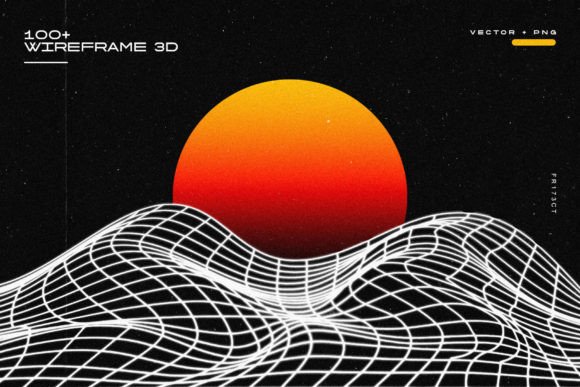
The Wireframe Design Element has emerged as a unique and versatile tool in the world of graphic design. At its core, a wireframe is a series of lines forming an unfinished 3D object, often used as a blueprint for visual layouts. However, this design element has evolved beyond its traditional role, finding new life as an ornament and design theme rooted in the retro style of the 80s. With the rise of digital creativity and a growing appreciation for vintage aesthetics, wireframe designs have become more than just technical sketches—they are now a powerful visual language that can enhance any project.
For designers, artists, and creators, the Wireframe Design Element offers a way to blend functionality with nostalgia. Its minimalist structure allows for flexibility, making it suitable for everything from website layouts to branding materials. The simplicity of wireframes also makes them highly adaptable, enabling users to integrate them into modern designs without overwhelming the overall composition.
Why Wireframe Design Is Relevant Today
In today’s fast-paced digital landscape, where attention spans are shorter and visual appeal is key, the Wireframe Design Element provides a fresh perspective. It combines the precision of technical drawings with the charm of retro aesthetics, offering a design solution that feels both familiar and innovative. This duality makes it particularly appealing to professionals who want to stand out while maintaining a sense of authenticity.
The resurgence of 80s-inspired design trends has played a significant role in the renewed interest in wireframes. From fashion to technology, the decade's bold colors, geometric shapes, and futuristic motifs have made a comeback. Wireframe designs fit seamlessly into this aesthetic, providing a subtle nod to the past while aligning with contemporary design sensibilities.
Moreover, the practicality of wireframes cannot be overlooked. They serve as a foundation for prototyping, allowing designers to experiment with layouts and structures before committing to final designs. This efficiency is especially valuable in fast-moving industries where time and resources are limited. By incorporating wireframe elements into their work, designers can streamline their creative process and produce more cohesive results.
How Wireframe Design Fits Into Current Trends
The Wireframe Design Element aligns with several current trends, including the popularity of minimalism, the demand for customizable design assets, and the growing emphasis on user experience (UX). Minimalist design, which prioritizes simplicity and clarity, benefits greatly from the clean lines and structured forms of wireframes. These elements help create visually balanced compositions that are easy to navigate and aesthetically pleasing.
Customizable design assets have also gained traction, especially among independent creators and small businesses. The availability of a large bundle of wireframe vector PNGs, such as the 119 Wireframe Vector PNG collection, provides users with a wide range of options to suit different projects. This accessibility makes it easier for individuals to incorporate wireframe elements into their work without the need for advanced design skills or expensive software.
Additionally, the focus on user experience has highlighted the importance of clear visual hierarchies and intuitive layouts. Wireframe designs can help achieve this by providing a framework for organizing content and guiding the viewer’s eye. Whether used as background textures, decorative elements, or part of a larger composition, wireframes contribute to a more structured and user-friendly design.
The Evolution of Wireframe Design
While wireframes have long been associated with technical documentation and early-stage design concepts, their role has expanded significantly in recent years. What was once a purely functional tool is now being reimagined as a creative expression. This shift reflects a broader trend in the design industry, where form and function are no longer seen as separate entities but as complementary forces that enhance each other.
The evolution of wireframe design is also influenced by advancements in digital tools and platforms. Graphic design software now offers more intuitive ways to manipulate wireframe elements, making it easier for users to experiment with different styles and applications. As a result, wireframes are no longer confined to the realm of architects and engineers—they are becoming a staple in the creative toolkit of designers across various disciplines.
This growing versatility has led to new interpretations of wireframe design, such as animated wireframes, interactive prototypes, and hybrid designs that merge wireframes with other visual elements. These innovations demonstrate the adaptability of wireframe concepts and their potential to evolve alongside technological and artistic developments.
Practical Implications for Creators and Businesses
For creators, the Wireframe Design Element offers a way to add depth and character to their work without sacrificing simplicity. Whether designing a logo, a website, or a social media post, wireframe elements can provide a unique visual identity that sets their work apart. Their ability to convey structure and movement makes them ideal for projects that require a balance between creativity and clarity.
Businesses, too, can benefit from incorporating wireframe designs into their branding and marketing strategies. In a competitive market, standing out is essential, and the retro-inspired aesthetic of wireframes can help brands connect with audiences who appreciate nostalgia and innovation. By using wireframe elements in advertisements, product packaging, or digital content, businesses can create a cohesive and memorable visual presence.
Furthermore, the availability of pre-made wireframe assets, like the 119 Wireframe Vector PNG collection, reduces the time and effort required to implement these designs. This accessibility is particularly beneficial for freelancers and small teams who may not have the resources to create custom wireframe graphics from scratch. With a diverse set of options at their disposal, users can quickly find the right elements to enhance their projects.
Realistic Examples and Recommendations
One practical application of wireframe design is in the creation of UI/UX mockups. By using wireframe elements as background layers or structural guides, designers can build more organized and efficient interfaces. For example, a mobile app developer might use a wireframe sketch to outline the layout of a screen before adding color, text, and interactive features.
Another example is the use of wireframe patterns in print and digital media. A magazine designer could incorporate wireframe shapes as decorative accents to add visual interest without overpowering the content. Similarly, a web designer might use wireframe textures as overlays to create a sense of depth and dimensionality in a webpage layout.
For those looking to explore wireframe design, starting with a curated collection like the 119 Wireframe Vector PNG can be a great way to get inspired. These assets provide a solid foundation for experimentation, allowing users to mix and match elements to suit their specific needs. Whether working on a personal project or a client assignment, having access to high-quality wireframe graphics can significantly enhance the creative process.
Ultimately, the Wireframe Design Element represents a fusion of past and present, offering a design approach that is both nostalgic and forward-thinking. As the design landscape continues to evolve, wireframes will likely remain a relevant and valuable tool for creators seeking to balance tradition with innovation.