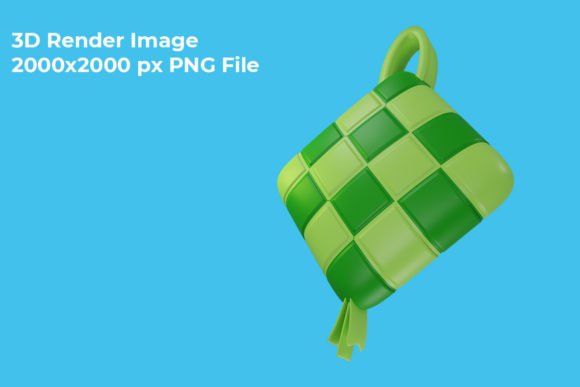
3D Rendering of Ketupat Islamic Food
3D rendering of ketupat Islamic food offers a modern and visually appealing way to showcase traditional Indonesian cuisine. This digital art form brings the iconic rice cake, known as ketupat, to life in a three-dimensional format that can be used across various design projects. Whether you're a designer, marketer, or small business owner, understanding the value of 3D rendering can enhance your creative work and make your designs stand out.
Ketupat is a staple in many Islamic cultures, often served during special occasions like Eid celebrations or weddings. The 3D rendering captures its unique shape, texture, and cultural significance, making it an ideal visual element for branding, advertising, and educational materials. With high-resolution files such as JPG, PNG, and PSD, these images are versatile and suitable for different platforms.
What Makes 3D Rendering of Ketupat Islamic Food Unique?
Unlike traditional 2D illustrations, 3D rendering adds depth, realism, and detail to the image of ketupat. This technique allows for precise control over lighting, shadows, and textures, resulting in a more engaging visual experience. The high-resolution PNG file at 2000 x 2000 pixels ensures clarity and quality, making it perfect for both digital and print use.
The 3D rendering of ketupat Islamic food icon also provides a consistent look that can be adapted to different design needs. Whether you're creating social media posts, website banners, or promotional materials, the icon maintains its visual integrity and appeal. This consistency helps in building a strong brand identity and improving user recognition.
Why Use 3D Rendering of Ketupat Islamic Food?
There are several reasons why someone might choose to use 3D rendering of ketupat Islamic food in their projects. For one, it adds a professional touch to any design. High-quality visuals can elevate the overall look of a project and make it more attractive to the target audience.
Additionally, 3D rendering allows for greater flexibility. You can easily modify the color, background, or composition of the image to fit different themes or campaigns. This adaptability makes it a valuable asset for creators who want to experiment with various design styles.
For businesses, using 3D rendering of ketupat Islamic food can help in marketing and product presentation. It provides a clear and appealing representation of the food, which can be used in packaging, advertisements, or online stores. This visual appeal can increase customer interest and drive sales.
Where Can You Use 3D Rendering of Ketupat Islamic Food?
The applications of 3D rendering of ketupat Islamic food are vast and varied. In the digital space, it can be used for web design, social media content, and mobile app interfaces. High-resolution PNG files ensure that the images look sharp and professional on any device, from desktops to smartphones.
In the commercial sector, businesses can incorporate these visuals into their branding materials. For example, a catering company might use the 3D rendering in their website or brochures to highlight their offerings. Similarly, a food blog could feature the images in articles or recipe guides to add visual interest and authenticity.
Educational institutions and cultural organizations may also find value in using 3D rendering of ketupat Islamic food. It can be used in presentations, posters, or interactive learning tools to teach about traditional foods and their significance. This approach makes learning more engaging and accessible to a wider audience.
Practical Tips for Using 3D Rendering of Ketupat Islamic Food
If you're new to 3D rendering, there are a few things to consider before using these files. First, ensure that the files you download are of high quality and meet your project's requirements. Check the resolution, file format, and compatibility with your design software.
Second, think about how the image will fit into your overall design. Consider the color scheme, layout, and message you want to convey. A well-placed 3D rendering can enhance the visual storytelling of your project without overwhelming the viewer.
Finally, always credit the source if required. Some 3D rendering files may have specific usage rights or attribution guidelines. Understanding these details can help you avoid legal issues and maintain ethical practices in your work.
Conclusion
3D rendering of ketupat Islamic food is a powerful tool for designers, marketers, and entrepreneurs looking to create visually compelling content. Its high resolution, versatility, and cultural relevance make it an excellent choice for a wide range of projects. By incorporating these images into your work, you can add depth, authenticity, and professionalism to your designs.